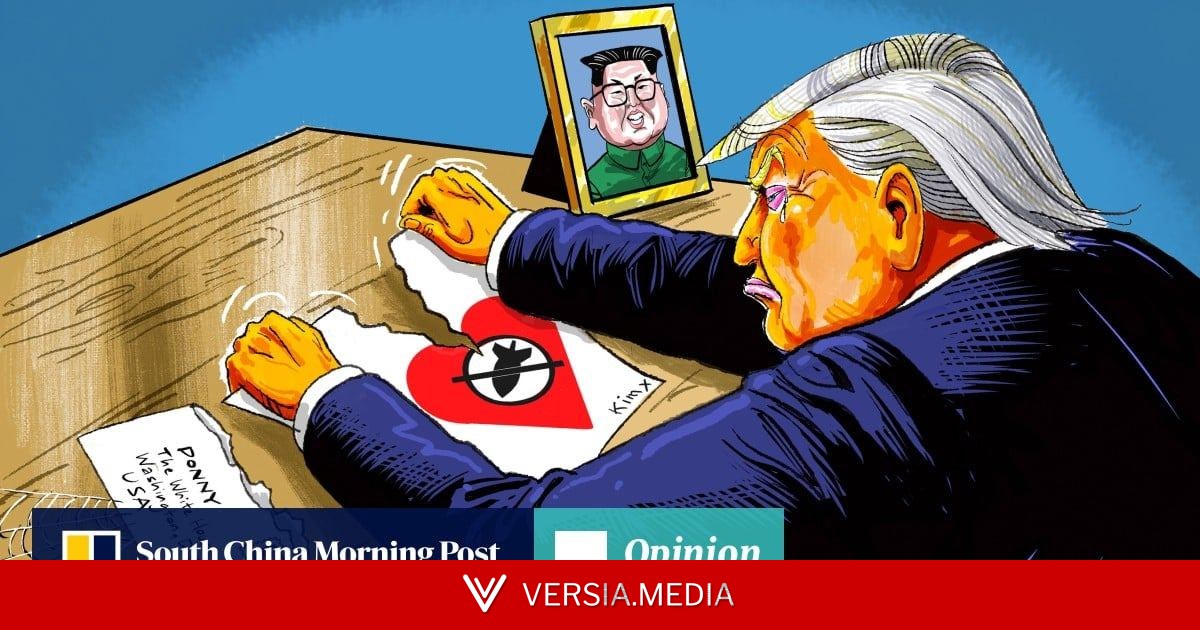
Every year that goes by without talks with Washington gives Pyongyang more time to strengthen its nuclear arsenal
Chinese President Xi Jinping’s recent trip to Pyongyang could eventually be seen as a pivotal moment in the global discussion surrounding North Korea’s nuclear program.
For years, China and Russia joined the United States in officially backing a Korean Peninsula free of nuclear weapons, even if their dedication varied widely in practice. Now, however, Moscow has effectively acknowledged North Korea’s nuclear status, with Russian Foreign Minister Sergey Lavrov declaring the denuclearization of North Korea a “closed issue” as early as September 2024.
With Xi’s visit, China appears to be quietly shifting in a comparable direction. This leaves Washington increasingly alone in its stance that North Korea can still be convinced to give up its nuclear arms.
President Donald Trump should acknowledge what much of the region already grasps: denuclearization is no longer a feasible policy goal, at least not in the near or medium term. Persisting in making it the focal point of its North Korea strategy risks leaving Washington stuck in a diplomatic deadlock likely to heighten military tensions on the peninsula and further diminish Washington’s influence over Pyongyang.