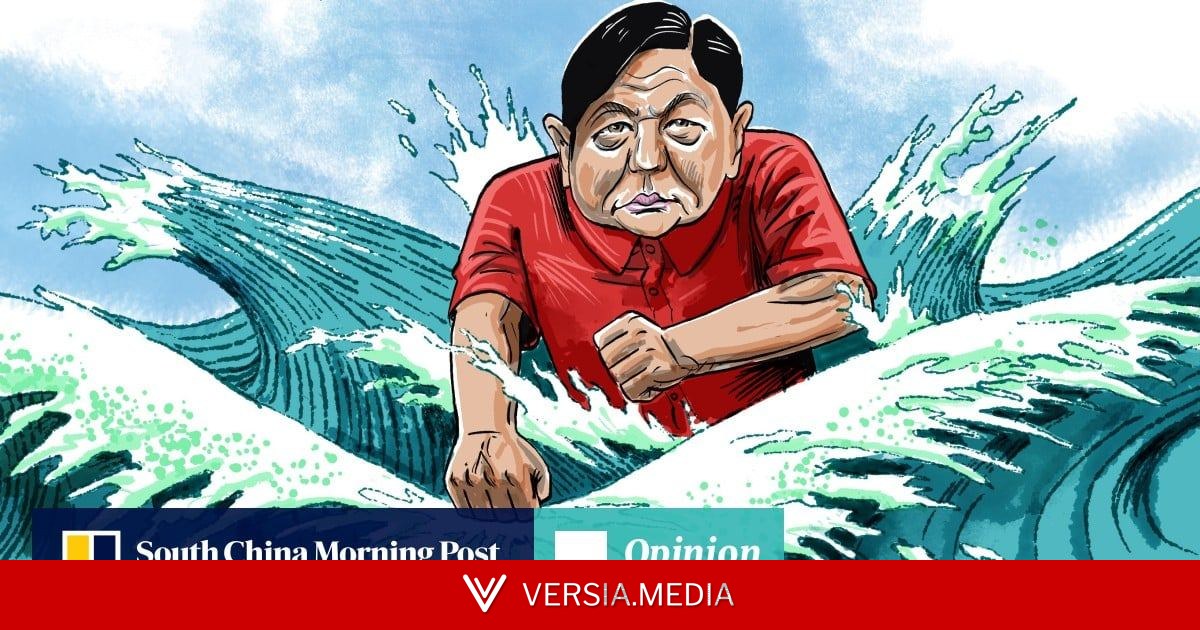
Manila’s emphasis on security and its partnership with external powers contrasts with the pragmatic trajectory of China-Asean relations.
In May, while addressing Japan’s National Diet, Philippine President Ferdinand Marcos Jr. stated that Manila would observe the 10th anniversary of the ruling in July, an event he described as “a testament to our commitment to settling disputes via peaceful methods.” That represents one viewpoint. Another perspective merits equal attention.
The ruling has long encountered credible legal challenges, including claims that the tribunal overstepped its authority. China had previously excluded maritime boundary demarcation and historical title disagreements from mandatory arbitration via its 2006 declaration under Article 298 of the UN Convention on the Law of the Sea (Unclos). Whether the tribunal was justified in dismissing that objection remains a subject of legitimate legal discussion.
Nevertheless, the consequences are less open to debate. A decade later, the ruling has failed to settle the core disputes. Maritime confrontations have persisted, military activities have grown, and the ruling itself has become a source of ongoing friction rather than a basis for mutual comprehension.
The Hainan Free Trade Port, for instance, is being established as a “strategic center” for a China-Asean blue economy common market, utilizing its policy advantages to enhance trade and marine tourism. Economic pragmatism has made Asean China’s leading trade partner for five straight years, fostering an increasingly linked and interdependent regional economy.