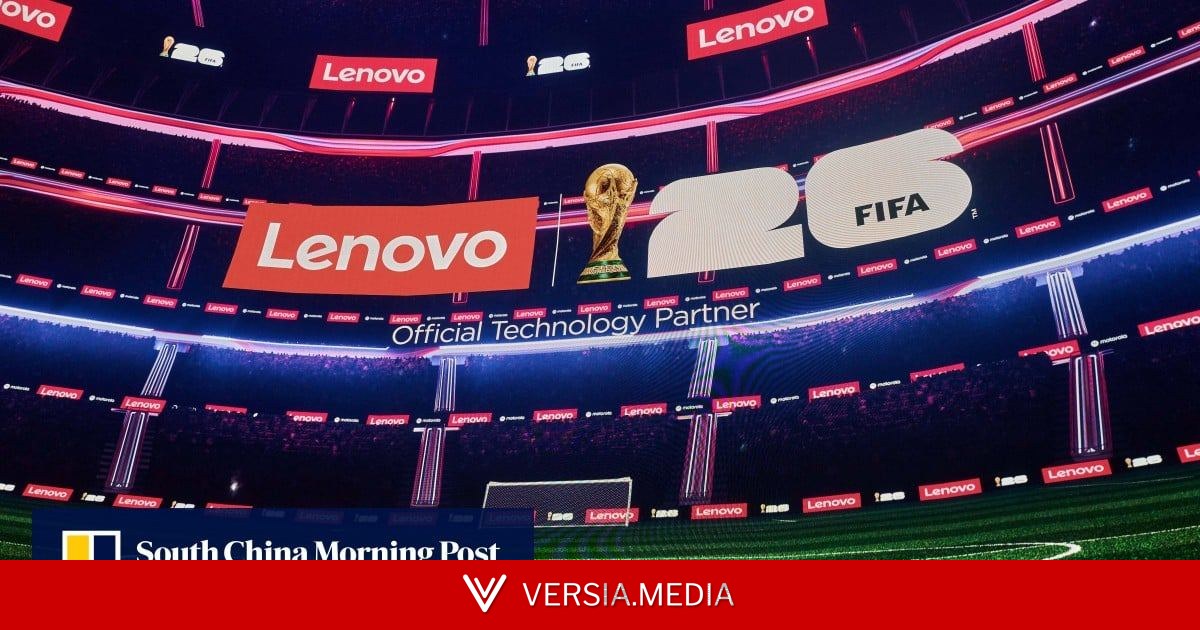
From broadcast operations to sponsorship agreements, Chinese companies occupy central positions in football's premier event despite ongoing geopolitical tensions.
Within a vast broadcast centre in Dallas, thousands of Lenovo-supplied devices are assisting Fifa in managing and distributing content from venues across the United States, Canada and Mexico, providing the technological infrastructure for the largest World Cup ever organised.
The significant involvement of the Chinese-founded technology company underscores a reality frequently masked by geopolitical frictions between Washington and Beijing: even as US policymakers have intensified scrutiny of Chinese tech firms and aimed to mitigate security risks in strategically important sectors, Chinese companies continue to be deeply integrated into global commercial networks, including one of the most prominent international events ever hosted in North America.
China's men's national team once again failed to secure a World Cup berth, having qualified for the tournament just once, in 2002.
The financial stakes are immense. Fifa is projected to earn between US$2.5 billion and US$3 billion in sponsorship revenue from the 2026 World Cup, positioning it as one of the most commercially lucrative sporting events in history and a highly attractive platform for companies pursuing global exposure.
"This is the coming-out party for Chinese global brands," said Craig Allen, former US ambassador and senior fellow at the Asia Society.